Part of our complete guide: how to find vending machine locations.
Every new operator targets apartments and offices. That is exactly why those categories are competitive and often already covered. The operators doing $8,000–$15,000 per month on 15–20 machines aren't running all apartments — they've built a mix that includes location types most operators walk past without asking.
The locations below are community-tested. These are placement types operators have actually landed and reported results from — not theoretical. Revenue ranges reflect real operator data across US markets. See the location scoring checklist before pitching any of these to pre-qualify.
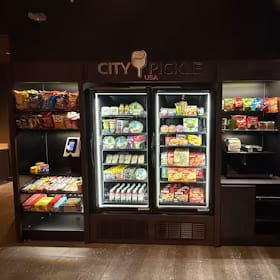
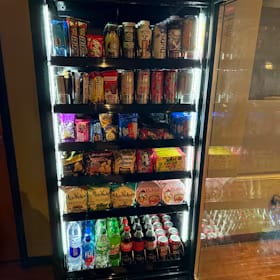
YMCAs and independent gyms
YMCAs and community recreation centers are dramatically underserved. Most YMCAs have a snack bar or vending in their main lobby but nothing near the pool, locker rooms, or secondary gyms. Decision-maker: facility director or operations manager. Revenue range: $800–$2,000/month at a high-traffic Y. Best SKUs: water, sports drinks, protein bars, trail mix. Commission expectation: 5–10% for nonprofits (they need it for budget justification).
Urgent care and medical waiting rooms
Urgent care facilities have captive audiences waiting 30–90 minutes with nothing to do. Most have a generic vending machine installed by a regional vendor — poorly stocked, rarely serviced. An operator willing to maintain a clean, fresh machine wins these by simply being reliable. Decision-maker: practice manager or operations coordinator. Revenue: $400–$900/month. Pitch: "We'll restock within 48 hours of a reported empty and never let the machine sit dead."
Picture the machines paying you while you sleep
That’s the real promise of vending — income that doesn’t cost you your time, and a life on your own terms. VendBuddy turns this guide into a step-by-step plan so you actually build it instead of just reading about it. Start free today.
Start building free →Police stations and fire stations
Municipal facilities are some of the most underserved vending locations in any market. Fire stations in particular have shift crews on-site for 24-hour rotations with no food service. Decision-maker: station commander or facilities coordinator at the city/county level. Revenue: $300–$700/month per station. The pitch is simple: crew welfare, no cost to the city. These are slow to sign (municipal procurement moves slowly) but once placed, nearly permanent.
Law offices and dental offices
Professional service offices with 20–60 staff are consistently overlooked because operators assume they are too small. But a law firm with 35 attorneys billing $500/hour is a high-income, price-insensitive audience. Premium SKUs ($4–$6 items) move well here. Dental offices have a built-in customer: patients waiting pre-procedure often buy water or a snack. Decision-maker: office manager.
Off-campus student housing
University-affiliated housing gets the institutional vending contracts. But off-campus complexes — private student housing operated by real estate companies — often have nothing. These buildings have 200–500 residents, 24/7 occupancy, price-sensitive but high-volume. Target buildings within a mile of a campus. Decision-maker: property manager or regional portfolio manager. Revenue: $1,200–$2,500/month at a 300-unit building. Best SKUs: energy drinks, ramen, chips, condoms (seriously — operators report $80–$120/month from one planogram slot).
If you are not sure where to start, most people pull a free list of the businesses near them in the before they do anything else. Five contact reveals are free and there is no card, so it costs you a search and about ten minutes.
Car dealership service centers
Service waiting areas at car dealerships are ideal: captive audience, waiting 1–3 hours, middle-to-upper income, no food within walking distance. Most dealerships already have a coffee machine but nothing else. Decision-maker: service manager or general manager. Revenue: $500–$1,200/month. Best SKUs: premium snacks, water, energy drinks. Pitch: "Your service customers are waiting two hours and there's nothing to buy. We fix that."
RV parks and marinas
Seasonal but high-margin. RV parks and marinas have guests who've just arrived after a long drive and want cold drinks immediately. The challenge: many don't have reliable 120V power at the placement location. The EBL 1000W portable power station () solves off-grid installs. Revenue: $600–$1,500/month peak season, near zero off-season. Factor the seasonality into your payback math.
Self-storage facility offices
Self-storage facilities have a small but reliable stream of customers visiting during access hours — often sweating and thirsty from carrying furniture and boxes. A small drink cooler near the front office does $250–$500/month with almost no restock effort (weekly is fine). Low glamour, high reliability. Decision-maker: facility manager on-site.
Workforce housing and labor camps
Construction workforce housing, agricultural labor housing, and seasonal worker dormitories have highly captive, underserved populations. These are logistically challenging but can deliver $2,000–$4,000/month per machine at high-density sites. Decision-maker: facilities or housing manager for the contractor or employer. Best SKUs: energy drinks, water, hearty snacks. Price sensitivity varies by employer—some cover costs for workers, which removes all price resistance.
VendBuddy's location finder surfaces non-obvious placement types in your ZIP — urgent care, gyms, dealerships — with employee count and decision-maker contact so you can pitch the right person first.
Try the location finder →FAQ
What is the best untapped vending location type for beginners?
Car dealership service centers and urgent care waiting rooms are the best starting points for new operators. Both have captive audiences, professional decision-makers, and realistic revenue of $500–$1,200/month without requiring complex installs or premium machines.
Do fire stations pay commission on vending machines?
Rarely. Most fire and police stations treat vending as a crew amenity and sign zero-commission agreements. The tradeoff: long-term, stable placement with no competitive threat. These accounts typically outlast any commercial placement by years.
How do you handle off-grid vending locations like RV parks?
A portable power station rated at 1,000W+ handles a small AI cooler for 15–20 hours per charge. Solar panel charging makes it viable for semi-permanent off-grid placements. Factor recharge logistics into your service schedule — these locations require an extra step every restock visit.
Related: best vending locations in 2026, how to find vending machine locations, location scoring checklist, vending as a modern amenity, warehouse vending playbook, placing machines for maximum revenue.